

Planning Ahead: Real Estate Decisions Made Before Urgency

Plan Before It Becomes Urgent
Many families wait until a hospitalization, health event, or sudden decline forces action. By that point, timelines are compressed and decisions feel reactive.
Planning ahead allows you to align your real estate decisions with your long-term goals — thoughtfully, strategically, and on your terms.
Confidential. Structured. No obligation.
Why Waiting Creates Pressure
- Rushed downsizing decisions
- Emergency moves into retirement residences or long-term care
- Unclear authority to make financial or housing decisions
- Delays due to missing legal documentation
- Emotional strain among adult children
- Increased executor burden tied to unplanned property transitions
Planning early preserves choice.
It reduces urgency.
It protects both assets and relationships.
The Importance of Legal Authority During Housing Transitions
Real estate decisions are often closely connected to legal authority.
If a move into a retirement residence or long-term care becomes necessary — particularly following hospitalization — the ability to act quickly depends on having the appropriate documents in place, including:
A valid Will
A Power of Attorney for Property (financial decisions)
A Power of Attorney for Personal Care (health decisions)
Without these documents, families may face delays in listing property, accessing funds, signing contracts, or making housing decisions on behalf of a loved one who is unable to communicate.
While we do not draft legal instruments, we strongly encourage every homeowner to ensure these documents are current and accessible — particularly when real estate is involved.
Proper legal authority allows real estate transitions to proceed smoothly when time is limited.
How We Approach Planning Ahead
Instead, we guide the real estate side of long-term planning — helping families think through housing decisions before urgency dictates them.
Clarity - Defining long-term housing goals, ownership structure, and decision-making authority.
Research - Exploring viable housing options and market timing considerations.
Assess - Evaluating whether your current home supports aging-in-place goals or whether a proactive move is appropriate.
Find - Identifying the right housing solution, location, and support resources that align with your goals and lifestyle.
Time - Sequencing transitions deliberately — before circumstances force reactive decisions.
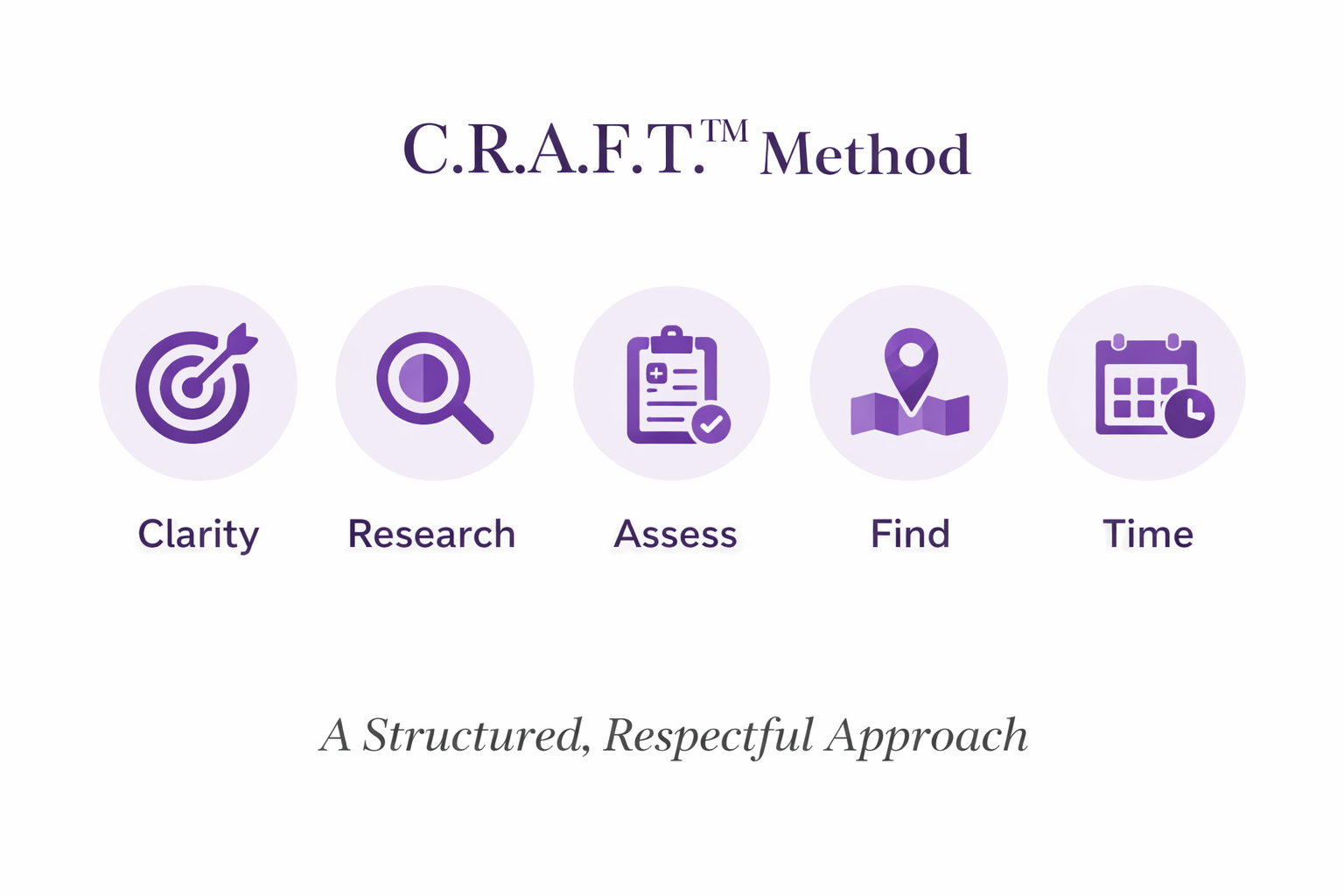
When structure is in place early, transitions become manageable rather than overwhelming.
What Planning Ahead May Involve?
- Evaluating whether your current home supports long-term mobility needs
- Discussing the right timing for downsizing
- Exploring retirement residence or long-term care transition considerations
- Aligning property decisions with legal and financial planning
- Identifying potential liquidity needs tied to future care
- Supporting family conversations around succession and housing
It deserves thoughtful alignment.
Who This Is For?
 Homeowners in their 50s, 60s, and 70s reviewing long-term housingFamilies preparing for potential long-term care transitions Adult children supporting aging parents Individuals seeking to reduce future executor burden If real estate is part of your future, it should be part of the conversation today.
Acting Early Preserves Options
- Protects flexibility
- Reduces family strain
- Prevents rushed sales
- Aligns housing with evolving care needs
- Ensures decision-making authority is clear
- Creates clarity for future executors
Begin With Structure.
If you are reviewing your long-term housing plans — or
supporting a family member — consider whether your real estate decisions and
legal authority are properly aligned.
Confidential. Strategic. No obligation.
Planning Ahead — Frequently Asked Questions
When a home represents a family’s most significant asset,
thoughtful real estate alignment becomes an essential — and often overlooked —
component of estate planning and long-term care preparation in Ontario.